
Trump, Glyphosate and Cancer
Air Date: Week of March 6, 2026

Monsanto, which was acquired by German-based biotechnology company Bayer in 2018, is facing a multitude of litigation related to its glyphosate-based pesticide RoundUp. (Photo: Karen Eliot, Wikimedia Commons, CC BY-SA 2.0)
President Trump has deemed glyphosate as essential for national security even though some 200,000 people have complained they have gotten cancer or other adverse health effects, while using it as directed. Meanwhile a Missouri state court has given preliminary approval to a class action settlement plan for people sickened by Roundup, which contains the herbicide glyphosate. Carey Gillam of The New Lede speaks with Host Steve Curwood about the latest developments in glyphosate lawsuits and why some in the Make America Healthy Again movement feel betrayed by the Trump Administration’s support for glyphosate.
Transcript
CURWOOD: It’s Living on Earth, I’m Jenni Doering, And I’m Steve Curwood.
A Missouri state court has given preliminary approval to a class action settlement plan for people sickened by Roundup, which contains glyphosate, an herbicide used in the cultivation of genetically modified crops such as corn and soybeans. The move comes as the US Supreme Court prepares to hear a case in April that seeks to bar certain claims in state courts brought against Bayer, which purchased Monsanto, the original developer of Roundup.
DOERING: President Trump already issued an executive order this February declaring glyphosate is vital for food and national security, and its makers should be freed of any claims of liability. Glyphosate has been widely used since 1970, and some 200,000 people have complained they have gotten cancer or other adverse health effects, even though they used it as directed.
CURWOOD: HHS Secretary Bobby Kennedy Jr. was an outspoken legal advisor against glyphosate, and before the 2024 election brought him into office, his views on the pesticide resonated with the Make America Healthy Again or MAHA movement. Speaking on the line now is Journalist and author Carey Gillam of The New Lede, who says the MAHA movement is alarmed about the court actions and is wondering what happened with an executive order from the White House that seems to ignore Bobby Kennedy’s concerns about glyphosate.
GILLAM: This is a really dramatic move by the President really turned a lot of heads and shocked people that he would be taking such an effort right now to be so protective of one company, essentially, and one chemical that is highly controversial because it's been linked to cancer and reproductive harms and a whole array of environmental problems as well.

Glyphosate-based pesticides like Roundup have been linked to cases of Non-Hodgkin lymphoma, a form of cancer affecting the lymphatic system. (Photo: Slknight, Wikimedia Commons, CC BY-SA 4.0)
CURWOOD: So, how have people within Make America Healthy Again reacted to this executive order?
GILLAM: Well, the Make America Healthy Again group, MAHA, the grassroots movement, really did not take this well; they are outraged, they have expressed that in numerous ways. They are planning a protest in April 27 in front of the US Supreme Court, as the High Court takes up the issue of FIFRA, the Federal Insecticide Fungicide and Rodenticide Act, which governs pesticide registration in the US and preemption, which basically boils down to another way to try to protect glyphosate and try to protect Bayer from being sued by people who say that their exposure to this chemical has caused them to develop cancer. Many people see this executive order as direct messaging to the US Supreme Court, trying to, if you will, put, you know, a finger on the scale to try to get the Supreme Court to side with Bayer and provide further protections for its weed killers.
CURWOOD: Now, one of the sides of this issue on glyphosate and health is this class action settlement of Roundup litigation. Roundup contains glyphosate. Bayer, which acquired Monsanto, wants to settle all of this, and there's a group of law firms arguing that's what's being offered in terms of a settlement is not enough. Tell me what's going on there.
GILLAM: Yeah and this is Bayer's second attempt at a class action settlement. There have been close to 200,000 legal claims brought against Monsanto and then Bayer, which inherited this litigation. And again, these are brought by people who say that they developed Non-Hodgkin's lymphoma because of their use of glyphosate herbicides sold by Bayer or Monsanto, such as Roundup. And there have been earlier settlements through what is known as multi-district litigation. But this class action settlement would be different, because it would cover not just people who have already sued, but people who may want to sue in the future, maybe haven't been diagnosed yet with non-Hodgkin lymphoma that they would blame on their exposure. So the class action is really to cover current claims as well as claims that could develop over the next 20 years or so. And Bayer has said that they would pay out $7.25 billion over the course of the next several years. And there would be a tiered sort of settlement arrangement in which people who have a certain degree of aggressiveness of non-Hodgkin lymphoma, who might be of a certain age, who used it in a certain way, they would get, on average, a certain amount. It's all very structured and the payouts really aren't that much that are being proposed. They range, on average, from $10,000 a claim, to $165,000 a claim. And so, people who are suffering from cancer, the lawyers that represent them are saying, you know, this may not be enough, and we don't know that we really trust the company to fund the settlement. The company has threatened to file for bankruptcy because of this litigation. But Bayer is really looking at the whole scenario and really trying to pressure people into agreeing to this deal. They actively are saying, hey, you better watch out, you know, the US Supreme Court could side with us, and then you wouldn't be able to sue us in the future. They've also proposed legislation in various states, as well as at the federal level, that would do the same thing that would block future litigation. So they're telling these plaintiffs, you better grab this deal now, because you might not be able to sue us anyway in the future.

This presidential executive order boosting glyphosate has particularly angered supporters of the Make America Healthy Again (MAHA) movement, led by Health and Human Services Secretary Robert F. Kennedy Jr. (pictured above). MAHA supporters have indicated that they will protest when the Supreme Court reviews Monsanto’s appeal of a jury verdict in April. (Photo: The White House, Wikimedia Commons, CC0)
CURWOOD: So I understand that there were some settlements in California that involved many millions of dollars for exposure to glyphosate. How do those relate to this offer in the class action settlement?
GILLAM: Yeah, this litigation has been going on since late 2015 and as I said, there been close to 200,000 claims the company has settled or otherwise been able to find a resolution in close to 140,000 of those claims, and that has been through settlements, through jury verdicts you've seen some very large jury verdicts, over $2 billion in some cases, and then settlements paid out, and the company has won some of the cases that have gone to trial. They've lost others. They've settled others. So, they've already spent 10 to $11 billion on this litigation, and they're really hoping to put an end to it now, because it's weighed on the company, it's weighed on, obviously, the profits. Investors are very upset with the company. They really want to make this litigation go away.
CURWOOD: By the way, how does Bayer feel about buying Monsanto?
GILLAM: I think it depends on who you ask. Within Bayer, you know, the CEO who engineered the acquisition is no longer with the company. He came under great pressure. Investors have been very upset, very angry. The stock price has really taken a beating over the last few years because of this, and Bayer has promised the investors, many of them who are suing Bayer, that they will find an off route, that they will escape this litigation, and they are pulling out all the stops now. And as we said, the Trump executive order seems to be one of those tactics that Bayer has engineered to really try to put an end to this litigation.

The International Agency for Research on Cancer, which is part of the World Health Organization (logo shown above), found that there was enough evidence to declare glyphosate a probable human carcinogen when it examined peer-reviewed research in 2015. (Photo: The World Health Organization, Wikimedia Commons, CC0)
CURWOOD: Talk to me about some of the stories of the plaintiffs involved in this case.
GILLAM: Oh my, well I mean, there's so many people. The first person who, really, you know, that helped me understand this story, and sort of the human suffering and sadness behind it, was this couple out in Cambria, California, and, they were married for 40 years and had this beautiful little farm and he only sprayed glyphosate. Would not spray any other chemicals but because glyphosate was always represented as being very, very safe, he felt fine doing that, and would take his, you know, little grandson out in the fields with them, and the dog would romp along, and they would spray the fields, and he developed a very aggressive form of non Hodgkin lymphoma, and died the day after Christmas of 2015 and so I went out to Cambria and spent time with that family. And that is the first chapter of my book Whitewash, is the story of that family and how they came to understand, you know, the science showing that this glyphosate exposure could cause this aggressive Non-Hodgkin's lymphoma. And so many people after that, you know, all over, you know, farmers, but also residential users, people who buy a home and need to clear the land and build up what they hope to be their dream property, and spray liberal amounts of glyphosate and then later develop this terrible cancer. So, many, many people over the years, and sadly, many of them you know, have died during this timeframe.
CURWOOD: In this first case that you described, what funds, if any, did the family receive as a function of bringing in action? And by the way, to what extent was Bobby Kennedy Jr. ever involved in that case?
GILLAM: That case actually settled and never went to trial and we don't know the settlement amount. The very first case to go to trial and go through a trial was Lee Johnson, and that's the groundskeeper from Northern California, who sprayed Ranger Pro and other glyphosate based herbicides, again sold by Monsanto and Bayer, sprayed it in his job around school grounds and was doused in the chemical a couple of different times when sprayers would break and things would happen and developed just a really horrible, aggressive form of non-Hodgkin lymphoma. And I spent a lot of time with him, we talk about him in my second book. He had two little boys, and really fought hard in his trial, and Bobby Kennedy was one of the attorneys advising on that case. He did not actively represent Lee, but he was an advisor on that case, and was there on a daily basis, and they won $289 million on behalf of Lee Johnson in the jury verdict.

The first case against Monsanto to go to trial, rather than be settled out of court, was that of Lee Johnson. Johnson was a groundskeeper from northern California who used RoundUp in his job on school grounds and later developed an aggressive form of Non-Hodgkin lymphoma. Shown above is the office for the Benicia Unified School District, which employed Lee Johnson. (Photo: Lhimec, Wikimedia Commons, CC0)
CURWOOD: Carrie, what is the connection between glyphosate and cancer?
GILLAM: Well, there are many scientific studies that show an array of connections. The International Agency for Research on Cancer, part of the World Health Organization, in 2015 took a look at the published, peer reviewed scientific research that had accumulated to that date since the time that glyphosate was introduced in the 1970s and they found that there was enough evidence to declare it a probable human carcinogen, and they found a specific association to non-Hodgkin lymphoma. There have been subsequent studies, another one in 2019, another one just last summer, one in 2022 that have further provided evidence of a cancer connection. The EPA continues to say that they don't believe that glyphosate exposure, when used as intended, presents a risk or hazard to human health, but in 2022 the Ninth Circuit federal court threw out the EPA's assessment of glyphosate, saying that they weren't following their own scientific rules for how to assess science, and that it was faulty logic that they were using, and so they've thrown that out, and the EPA is supposed to at some point come back with another assessment, but continues to maintain, currently, that they do not believe that this causes cancer.
CURWOOD: So very specifically here, what are the arguments against saying that glyphosate is connected to cancer?

The EPA (logo shown above) continues to claim that glyphosate-based herbicides are safe to use when used as intended. In 2022, the Court of Appeals for the Ninth Circuit threw out the EPA’s assessment of glyphosate, stating that the EPA wasn’t following its own rules around assessing science but the agency has yet to follow up with an assessment that would be accepted by the Court. (Photo: United States Environmental Protection Agency, Wikimedia Commons, CC0)
GILLAM: Well, there's also a number of scientific studies, most of them that have been done by the companies themselves. There was a very prominent study that they released in the year 2000 that became really foundational for many regulators. The EPA has cited it in their review of glyphosate, as have European regulators and others. Monsanto put that study together, spent years actually working on it, writing it. Monsanto's own internal emails show that they referred to as ghost writing that study, it appeared to be independent. It had the names of independent scientists on it, not Monsanto scientists. We've known about that for many years because of all of the internal emails that came out and it was only recently, in the last couple of months that the journal actually retracted that scientific study, citing the ghost writing and the deception that went on behind it, and there are many other studies that we have been able to uncover that similarly, have ghost riding or have Monsanto's imprint on them that appear to be independent.
CURWOOD: I noticed that in Europe, an effort to have some sort of a EU wide concern about glyphosate did not go through, and only a few countries there tell their farmers not to use it. What's going on?
GILLAM: Yeah, there was a real push after the International Agency for Research on Cancer came out with its classification, there was a real push to ban it throughout the European Union, the vote came down to basically one swing vote, and that swing vote was Germany, that came in and weighed in on favor of keeping it on the market in Europe. That was at the time that Bayer, which is a German-based company, was getting ready to close on its purchase of Monsanto, so that was very interesting timing. But EKA, EFSA, these key regulatory bodies in Europe, have looked at the science. They look at science that's presented to them by the companies. There's a very large, powerful, wealthy lobbying force behind these regulatory overviews, and they have similarly followed sort of the EPA's view, where they are evaluating that they are not yet saying that they feel that this causes cancer. But if you go through the work, the bodies that advise these regulatory agencies are funded and backed and stacked by Bayer and the other agrochemical companies. It's a huge lobbying force around the world.

The Trump administration’s reluctance to challenge big agricultural companies continues to sow discontent among MAHA supporters, which could affect the midterm elections. (Photo: Rama, Wikimedia Commons, CC BY-SA 2.0 FR)
CURWOOD: Now, before you go Carey, to what extent can this issue of glyphosate chemicals and the health impact the upcoming midterm elections?
GILLAM: Yeah, you know this is such an interesting thing to watch. MAHA again, the grassroots, the moms out there and the families who have risen up kind of following Bobby Kennedy to the White House, hoping that Kennedy and Trump would respect and regard and embrace this MAHA movement. And of course, they say they have right, and Trump formed the MAHA Commission, which is led by Bobby Kennedy, and they've made a lot of noise about taking chemical food additives and artificial colors and trying to get those out of foods, particularly those that are fed to children, because of science that shows that these are harmful to children, these different chemicals, and they've made some moves on that. But when it really comes to anything that challenges Big Ag or the farm lobby or companies like Bayer, they have just folded, and this executive order has really infuriated MAHA. Refusal to make any restrictions on glyphosate, and really a whole deregulatory move and strategy by Trump, which is not surprising, but as it's playing out with pesticides, and particularly with glyphosate, the MAHA movement, the grassroots movement, are really angry, and they are threatening to try to really make a difference in the midterms and in the next presidential election, if they don't start getting some respect from the Trump White House. So, I think it remains to be seen how powerful they will or will not be, but, there's certainly people that see MAHA as a force that helped get Trump elected, primarily because of their belief that Bobby Kennedy could make a difference in the administration, and now I think that they're seeing that maybe that was wishful thinking.
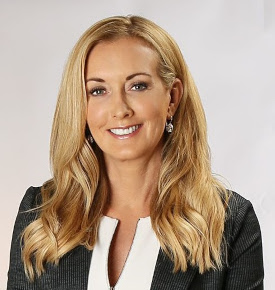
Carey Gillam is an investigative journalist and author of The Monsanto Papers: Deadly Secrets, Corporate Corruption, and One Man's Search for Justice. (Photo: Carey Gillam)
CURWOOD: Carey Gillam is an investigative journalist and the author of the Monsanto Papers: Deadly Secrets, Corporate Corruption and One Man's Search for Justice. Thanks Carey, for taking the time with us today.
GILLAM: Thank you so much for having me.
CURWOOD: Bayer CEO Bill Anderson issued a statement, that says in part “the proposed class settlement agreement, together with the Supreme Court case, provides an essential path out of the litigation uncertainty and enables us to devote our full attention to furthering the innovations that lie at the core of our mission: Health for all, Hunger for none.”.
Links
Read Bayer’s statement on the RoundUp class action settlement:
Learn more about the cases brought against Monsanto that went to trial in California:
Living on Earth wants to hear from you!
Living on Earth
62 Calef Highway, Suite 212
Lee, NH 03861
Telephone: 617-287-4121
E-mail: comments@loe.org
Newsletter [Click here]
Donate to Living on Earth!
Living on Earth is an independent media program and relies entirely on contributions from listeners and institutions supporting public service. Please donate now to preserve an independent environmental voice.
NewsletterLiving on Earth offers a weekly delivery of the show's rundown to your mailbox. Sign up for our newsletter today!
 Sailors For The Sea: Be the change you want to sea.
 The Grantham Foundation for the Protection of the Environment: Committed to protecting and improving the health of the global environment.
 Contribute to Living on Earth and receive, as our gift to you, an archival print of one of Mark Seth Lender's extraordinary wildlife photographs. Follow the link to see Mark's current collection of photographs.
 Buy a signed copy of Mark Seth Lender's book Smeagull the Seagull & support Living on Earth
© Copyright World Media Foundation. All Rights Reserved
Home | Contact | RSS | Donate | Newsletter